 KEYFACT Energy
Bornholm Energy Island offers a blueprint for how offshore wind farms can power ports and vessels creating an electric shipping highway across Europe
Offshore wind farms could soon be used to directly power ports and ships across Europe, decarbonising the maritime sector through an electric shipping highway from the English Channel to the Baltic Sea.
A new study by Stillstrom by Maersk, Baltic Energy Island and Port of Roenne sets out how ferries, cargo vessels and service operation vessels across these geographies can draw power from offshore wind farms to cut fossil fuel dependence and costs, reduce greenhouse gas emissions and accelerate maritime electrification.
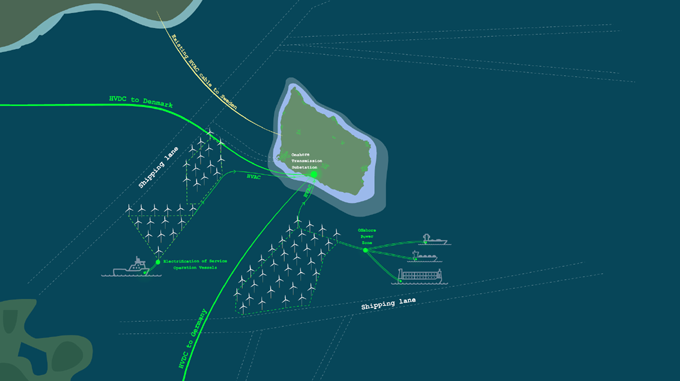
The whitepaper, Bornholm Energy Island: Powering Maritime Electrification, demonstrates how planned offshore wind farms and grid infrastructure around Bornholm, Denmark, could serve as a blueprint for enabling large-scale maritime electrification – both in ports and at sea.
Access to reliable and affordable power is the critical factor for shipowners considering investments in battery-powered vessels. Battery technology is improving and regulatory incentives are strengthening, pushing maritime electrification along the same path that road transport has already taken from concept to commercial reality.
According to the whitepaper, approximately 37,000 cargo vessels passing Bornholm each year are estimated to consume around 3 million tonnes of marine fuel and emit approximately 10 million tonnes of CO₂ annually. Full electrification of these ships could require around 17 TWh of electricity per year, replacing roughly €2 billion in fossil fuel imports with domestic renewable power.
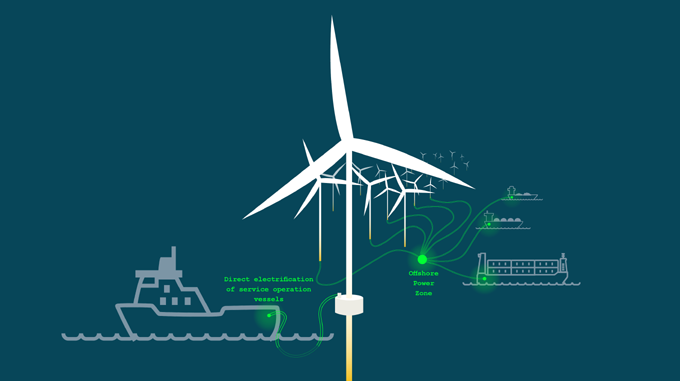
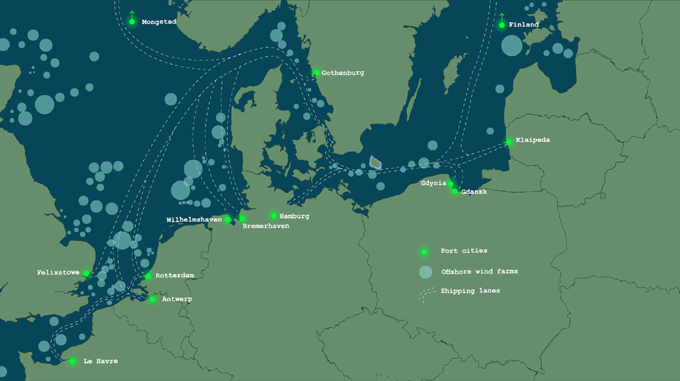
The whitepaper also introduces the concept of Offshore Power Zones, where vessels can access electricity directly at sea for hotel loads or battery charging. Together with electrified ports, these solutions could help establish an "electric shipping highway" stretching from the English Channel through the North Sea and into the Baltic Sea.

Kristian Borum Jørgensen, CEO of Stillstrom said:
"Maritime electrification is the next frontier of Europe's energy transition. Power availability in the right locations and at sufficient capacity is the critical bottleneck. Our whitepaper shows how early investment in offshore wind energy, transmission infrastructure and charging solutions can close that gap and accelerate the shift to zero-emission shipping at scale. Strong policy frameworks, including EU ETS, FuelEU Maritime, and Alternative Fuel Infrastructure Regulation must keep pace to give shipowners and other key stakeholders the confidence to act.”
Søren Møller Christensen, CEO of Baltic Energy Island said:
“There is a great — and sometimes overlooked — potential in Bornholm Energy Island’s ability to connect sectors that have traditionally been planned separately. By linking offshore wind energy, transmission infrastructure and maritime transport, we can demonstrate how energy infrastructure can support both decarbonisation and competitiveness. We hope this study can both lead to concrete pilot initiatives on Bornholm and provide inspiration for similar solutions elsewhere in Europe and globally”.
For ports across Europe, access to sufficient power capacity is one of the key barriers to maritime electrification. The study uses Port of Roenne on Bornholm as an example of how future requirements for ferry charging, shore power and other electrification initiatives may drive new approaches to infrastructure planning. As a TEN-T Comprehensive port, Port of Roenne supports ferry routes, cargo operations, cruise calls and offshore wind activities, providing critical infrastructure for both local communities and international customers.
Maja Felicia Bendsen, Business Development Manager of Port of Roenne said:
“This whitepaper demonstrates that maritime electrification is not only a question of vessels and batteries. It is equally a question of infrastructure, grid capacity and long-term planning. By combining operational experience from Port of Roenne with insights from offshore power and charging specialist Stillstrom and Baltic Energy Island, we hope to contribute to a broader discussion about how Europe can accelerate the transition towards low-emission maritime transport.”
The report concludes that offshore wind farms, energy islands, ports and future Offshore Power Zones could form the foundation of a new maritime energy ecosystem capable of supporting large-scale vessel electrification across Northern Europe.
The full whitepaper is available here
KeyFacts Energy Industry Directory: Stillstrom
